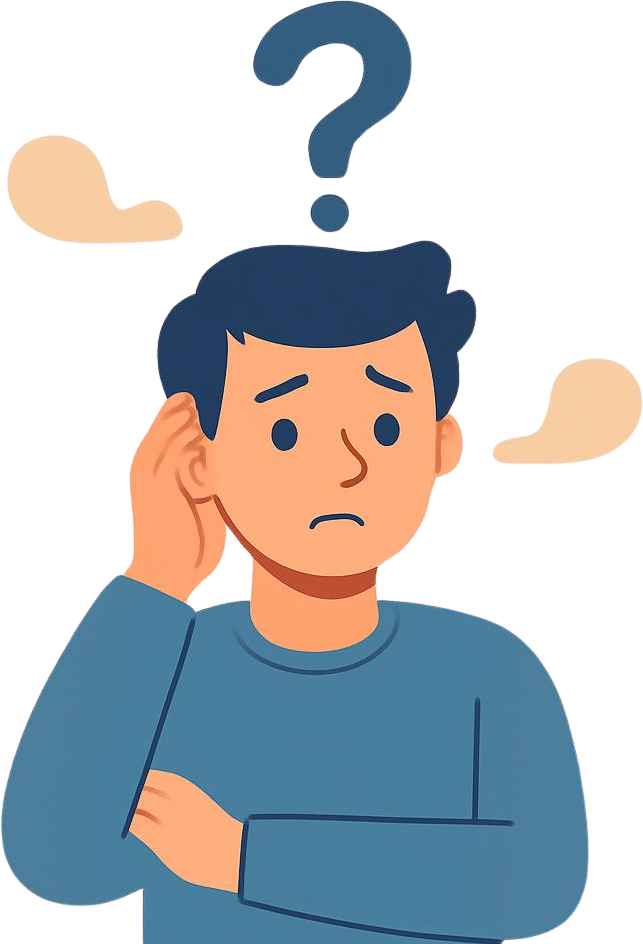
Navigating uncertainty is an important and necessary skill to learn and practice. Uncertainty is constant. You feel it in your personal life, like waiting to see a test score, or you can feel uncertainty in society and the world as a whole. Uncertainty is a feeling when situations or experiences are not clear or consistent for what it means for the future. What’s important is that the “not knowing” contributes to mental and emotional discomfort. When the future or the world feels up in the air, it’s important to find ways to cope with the unpredictable and identify what brings up the negative feelings.
Needing to Navigate Uncertainty: A Common Experience
Simply, uncertainty refers to the discomfort that you feel when you don’t know what the future holds. You are met with constant change and upheaval where uncertainty can thrive in today’s world. This can relate to personal matters, societal shifts, or global challenges. Whatever the cause, the experience of uncertainty can have profound effects on mental health.
How uncertainty can manifest
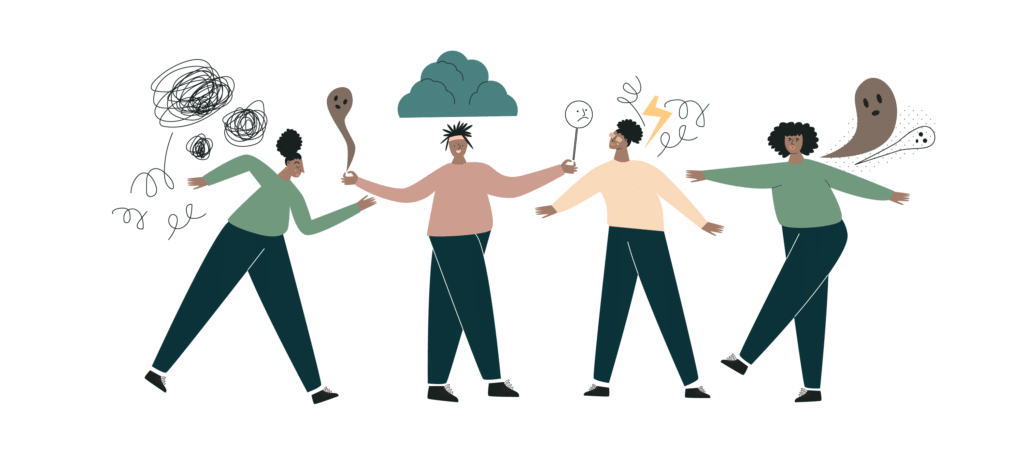
Feeling uncertain can trigger negative emotions like frustration and guilt. In times of uncertainty, it is easy to slip to fear the unknown. Individuals who feel this tend to ruminate on worst-case scenarios of the future.
The fear of the unknown often leads to a mental state known as “future-oriented anxiety,” where people find it hard to focus on anything other than what might go wrong in the future. This can be true for people living in unstable situations like national or environmental crises or any situation that makes you question your safety or someone else’s safety.
Navigating uncertainty can lead to a range of emotional responses.This emotional turmoil often leads to cognitive rigidity which is where our minds become stuck in cycles of worry or negative thinking.
Additionally, these feelings can contribute to stress-related issues due to a heightened state of vigilance and anticipating threats and also negatively affect how we interact with others.
The Impact of Media Exposure on Experiencing and Navigating Uncertainty
To start, research shows that exposure to violent or negative news or topics, whether it directly or indirectly affects you, can have a significant impact on your mental health and well-being. Therefore, in polarizing and charged environments where the cycle of reporting and sensationalism can heighten feelings of anxiety and bring up symptoms of post-traumatic stress disorder. Media can make navigating uncertainty difficult.
Direct vs Indirect Trauma
Direct trauma refers to experiencing a traumatic event first-hand. Going through a life threatening experience, adverse experience, or natural disaster can all be included in a direct trauma, as long as you are experiencing it. These exposures can put you at risk for PTSD. Which include flashbacks or intrusions, cognitive disruptions, hypervigilance, and irritability.
You might still experience emotional distress even if you are not present for a major or tragic event but still exposed to it through media (the news or social media). This is called indirect or vicarious trauma. Studies indicate that excessive exposure to traumatic news can cause PTSD like symptoms like sleep disturbances, hypervigilance, and intense worry.
The difference between the two is who experiences the trauma. However, it is important to understand that regardless of the type traumatic experience, these effects are still significant to your mental health and are symptoms that should be addressed.
Doomscrolling and Distress
Social media has made it easier to consume news continuously. While there are many benefits of this technology, it comes with cost. Compulsively checking the news for negative updates is an aspect of doomscrolling that contributes to the feelings of uncertainty. Additionally, graphic content is all over the media. Some images or words that you wish you can mind wipe from your head. However, it might not be that simple for you. When posts elicit a strong emotional response like worry, you may find comfort with gathering more information. This then reinforces a vicious cycle of rumination and information seeking process as a maladaptive way of navigating uncertainty.
Information Without the Overload: A Smarter Way to Navigate Uncertainly
Here are some things for you to remember when navigating uncertainty:
- It is suggested that consuming media more than 7 times per day or spending over 2.5 hours on media increases symptoms of anxiety and depression. Consider limiting the time you are spending checking on the news. Identify a time in the day where you can check in instead of keeping constant tabs.
- Practice “informed avoidance”. This means preventing overexposure and seeking out reliable sources that prioritize accuracy and fact-based reporting, and avoid sensational or emotionally charged headlines that may contribute to unnecessary stress
- For more guidance on this, look at a previous blog Media Literacy: Do We Need This Skill.
Your constant worry thoughts about the future that feel debilitating are not something you should avoid addressing or pushed under the rug. Indirect trauma and feelings of uncertainty can impact your quality of life negatively. You do not deserve of that. Talking through these feelings, cognitive reframing techniques, and EMDR are helpful for uncertainty related stress. We are here to provide a place to land and help you develop a toolbox of coping skills to use in uncertain times. Give us a call to get started!
We’re psychotherapists in Weschester, NY.
Visit our homepage at: www.couragepsych.com