

September can come with a certain amount of momentum. A new semester, a new class schedule, new goals, new friends, a renewed sense of motivation. Even when the transition is difficult, there is often that initial push to make things work.
Then October arrives. The novelty has worn off. Assignments are no longer just beginning; they are accumulating. Exams and projects are starting to overlap. Social dynamics may be feeling more complicated. Sleep schedules can become shakey. For college students living away from home, the reality of managing academics, relationships, finances, meals, responsibilities and independence can become quite the challenge.
For this reason, October can be a “mid-semester slump” when the school year starts to catch up with them. Now, not every student who feels tired, overwhelmed or homesick is experiencing a mental health disorder. Stress is a normal part of college and young adulthood. But when stress begins to change the way someone is functioning, relating to others or taking care of themselves, it may be time to pay closer attention.
Why Can October Feel So Difficult?
The initial adrenaline has worn off.
The beginning of a semester can temporarily carry someone through a lot. There is energy around starting over, getting organized and making a good impression. By October, maintaining that pace can become harder.
A student who has been telling themselves, “I’ll catch up this weekend,” may realize they have been operating in survival mode for several weeks.
Academic pressure becomes more concrete.
Early-semester assignments can feel manageable because there is still a lot of time ahead. By October, grades, exams, applications, internships, extracurricular commitments and future plans can begin to feel much more consequential.

For students who tend toward perfectionism or are accustomed to succeeding academically, struggling with a class can feel like more than an academic problem. It can begin to affect their sense of identity or self-worth.
Routines can become unhealthy without anyone noticing.
Sleep deprivation, skipped meals, excessive studying, isolation and constant screen time can happen gradually. A student may not wake up one morning and decide to stop taking care of themselves. Instead, small compromises accumulate.
The problem is that these behaviors can also make anxiety, depression and difficulty regulating emotions worse.
In the 2024 National College Health Assessment survey, 30% of students reported that anxiety negatively affected their academics, while more than three-quarters reported getting fewer than eight hours of sleep on average on weeknights.
The social adjustment may be harder than it looked at first.
For a first-year college student, the excitement of meeting people doesn’t necessarily mean they feel connected. Someone can have roommates, classmates and a busy social calendar and still feel profoundly lonely.
For returning students, friendships may shift. Relationships can become complicated. Someone may realize that the social environment they hoped for isn’t the one they’re experiencing.
And when a student is already overwhelmed, social disappointment can feel much bigger.
Fall brings its own environmental changes.
October also coincides with shorter days and decreasing daylight. For some people, seasonal changes can contribute to shifts in mood, energy, sleep and appetite. Seasonal affective disorder is a form of depression with a recurring seasonal pattern, most commonly beginning in late fall or early winter.
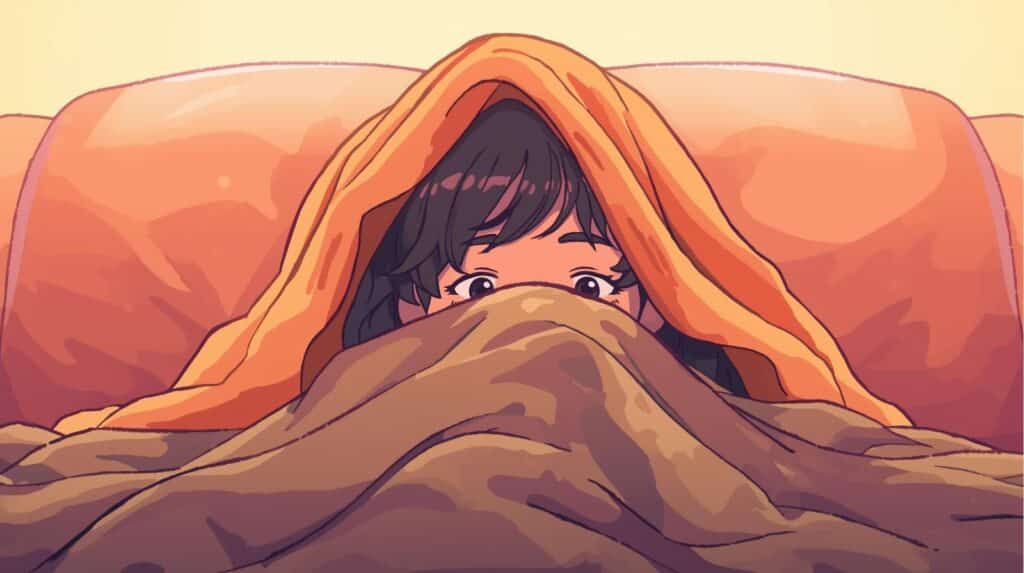
That doesn’t mean every October slump is seasonal depression. But it is one more factor worth considering, particularly if someone notices that their mood reliably changes as the seasons do.
When Stress Starts Looking Like Something More
One of the hardest parts of recognizing a mental health concern in a college student or young adult is that many symptoms can initially look like ordinary student life.
Sleeping more could mean someone is exhausted.Skipping a social event could mean they have a lot of work. Being irritable could mean they’re stressed. Wanting to go home could mean they’re just homesick.
Any one of these things may be completely understandable. The question is whether there has been a pattern or meaningful change in functioning.
Parents may want to pay attention to the following kinds of changes:
- A noticeable withdrawal from friends, family or activities they previously enjoyed
- Persistent irritability, sadness, anxiety or emotional volatility
- Significant changes in sleep or appetite
- Difficulty getting out of bed or managing ordinary responsibilities
- A noticeable drop in academic performance or concentration
- Increasing perfectionism, panic or fear around school performance
- Frequent physical complaints without an obvious explanation
- Increased use of alcohol or other substances
- Avoidance of situations that previously felt manageable
- Loss of interest in things that normally bring them pleasure
- Increasing isolation or reluctance to communicate
- Statements suggesting hopelessness, worthlessness or feeling like a burden
Depression does not always look like sadness. It can also involve irritability, withdrawal, difficulty concentrating, increased impulsivity and difficulty meeting responsibilities.
Pay Attention to Changes Around Food and Exercise, Too
October can be an important time to look beyond mood and academic performance.
Stress can affect eating patterns in many directions. Someone may lose their appetite, begin skipping meals because they are too busy, become increasingly preoccupied with food or their body, exercise compulsively, or return to eating disorder behaviors they had previously moved away from.
College can create additional challenges around meals and body image: dining halls, changing routines, athletics, social pressure, increased independence and fewer people around to notice changes.
The National Eating Disorders Association specifically notes that transitions and changes in routine can be times when eating disorder symptoms first emerge or return. Warning signs can include eating significantly more or less than usual, avoiding meals or social events involving food, increased preoccupation with body or weight, and the return of previous eating disorder thoughts or behaviors.
Importantly, eating disorders do not have a particular “look.” A young person does not need to appear visibly underweight or dramatically different for their relationship with food, exercise or their body to warrant attention.
What About Trauma?
Stress can also bring trauma-related symptoms closer to the surface.
When someone is already using most of their emotional energy to keep up with school, work and daily life, they may have less capacity to manage memories, emotions or situations connected to past experiences. A young person might become more reactive, avoid certain situations, feel unusually on edge, have difficulty concentrating or sleeping, or experience a stronger emotional response to something that seems relatively small from the outside.
That doesn’t necessarily mean a new traumatic event has occurred. Sometimes increased stress simply makes an existing vulnerability harder to manage.
What Can Students Do When They Notice They're Struggling?
You don’t have to wait until you’re in crisis to ask for support.
In fact, one of the most useful things a student can do is notice when their usual coping strategies aren’t working anymore.
Start by getting honest about what is actually happening.
Instead of saying, “I’m just stressed,” try getting more specific, asking:
Am I sleeping?
Am I eating consistently?
Am I avoiding people?
Am I enjoying anything?
Am I constantly anxious about school?
Am I exercising because I enjoy it, or because I feel I have to?
Am I drinking or using substances more than usual?
Am I able to concentrate?
Do I feel like myself?
Identifying the change can be the first step toward figuring out what kind of support you need.
Rebuild the basics before trying to fix everything.
When someone is overwhelmed, it is tempting to create an elaborate plan to become “better” overnight.
We suggest starting smaller: Eat regularly. Get outside. Move your body in a way that feels supportive. Protect your sleep as much as possible. Spend time with at least one person you feel comfortable around. Take breaks before you reach complete exhaustion.
These aren’t substitutes for therapy or medical care when those are needed. They are ways of giving your nervous system and your brain more support while you figure out what comes next.
Tell someone before the problem gets bigger.
A trusted friend, parent, resident advisor, professor, campus counselor, primary care provider or therapist can be a starting point. You don’t need to know exactly what is wrong before you reach out. “I haven’t felt like myself lately” is enough to begin a conversation.
And if anxiety, depression, disordered eating or trauma symptoms are interfering with daily life, connecting with a mental health professional can provide a place to understand what’s happening and develop strategies that are specific to you.
What Can Parents Do?
For parents, the challenge is often finding the line between staying connected and becoming overly involved. College students are adults developing independence. That independence matters, but it does not mean they have to handle everything alone.
Notice without monitoring.
You don’t need to interrogate your child about every grade, meal or night out.
Instead, pay attention to patterns. Have their calls become noticeably different? Do they seem persistently exhausted or unusually withdrawn? Are they expressing hopelessness or panic? Are they struggling to keep up with responsibilities that normally wouldn’t overwhelm them?
Your role isn’t to diagnose. Your role is to notice that something has changed and create an opening for conversation.
Lead with curiosity rather than conclusions.
Instead of: “You’re depressed.”
Try: “You don’t seem like yourself lately. I’ve noticed you’ve sounded really overwhelmed. How are you doing?”
Instead of: “You need to stop worrying so much about school.”
Try: “It sounds like school is taking a lot out of you right now. What part feels hardest?”
And particularly when food or body image is involved, focus on what you are observing rather than commenting on weight or appearance.
Ask what kind of support would actually help.
Sometimes parents immediately move into problem-solving mode: calling the school, researching therapists, rearranging schedules, offering advice.
Those things can be helpful, but start by asking:
“Do you want me to listen, help you problem-solve, or help you find some support?”
Giving a young adult some agency in the process can make it easier for them to accept help.
Don't wait for a crisis to make therapy an option.
Therapy doesn’t have to be the last stop after everything else has failed. It can be a place to work through anxiety before it becomes debilitating, identify patterns in perfectionism, develop healthier emotional regulation, navigate relationships, address trauma, or understand changes around food and body image.
For students who are away at college, online therapy can also make ongoing support more accessible and consistent with the realities of young adulthood.
October Can Be a Check-In, Not a Breaking Point
There is a tendency to think of mental health support as something we seek once we have reached a breaking point. But sometimes the most important moment is earlier. If October feels harder than September did, you don’t have to simply push through until Thanksgiving break.
Pause. Notice what has changed. Talk to someone you trust. Reconsider what you’re asking of yourself. And if you need more support, reach out for it.
Sometimes taking care of your mental health means making room for support before you think you are “sick enough” to deserve it.
At Cultivating Courage Psychological Services, we believe asking for help is part of the process of moving toward a healthier, more connected version of yourself. Therapy can be one part of that process — a space to understand what you’re experiencing, build tools for navigating it, and move through the challenges of young adulthood with greater support.
We’re psychotherapists in Westchester. Visit our homepage.