
couragepsych

relationship_cycle

Connection, Break and Repair: A Relationship Cycle

Connection, break and repair are a natural part of the relationship cycle we go through, even with ourselves! In his research, John Gottman found that this cycle and how we move through it in a relationship can help predict the longevity of the relationship. CONNECTION in the relationship cycle “Successful long-term relationships are created through […]
bid_for_connection

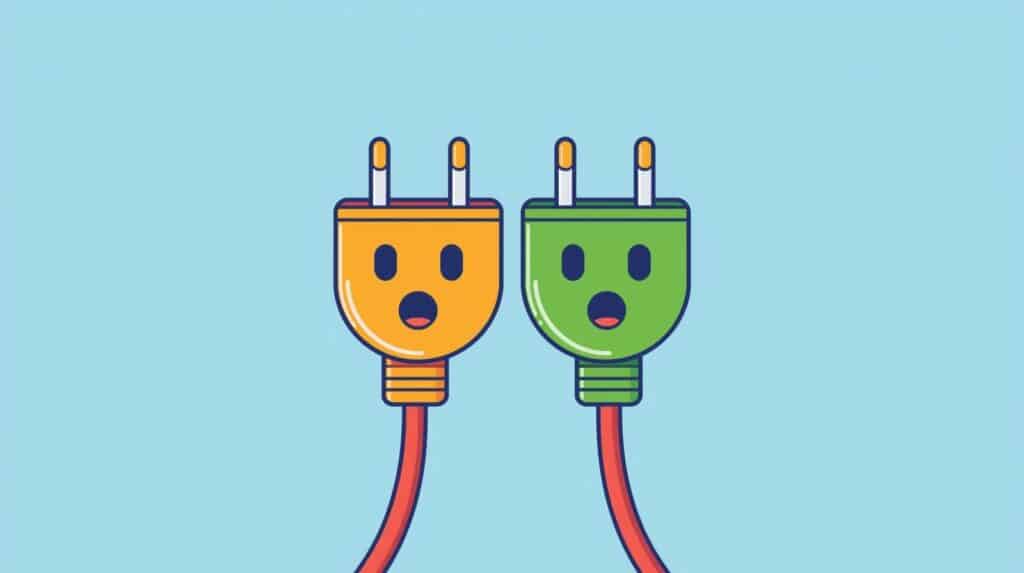
Making a Bid for Connection

John Gottman, a renowned relationship researcher, identifies that a bid is how we tell someone that we want attention in our relationship.  A bid can be verbal, such as, “I need to talk,” or “can we plan some quality time?” Bids can also be non-verbal such as giving a hug or coming and sitting next

teen_therapy_mental_health_development_brain

Teens, Mental Health, and the Developing Brain

Being a teenager comes with many challenges. During this time we are met with an increasingly challenging academic workload, navigating more complex social interactions and relationships, striving for autonomy, and managing changes in the body, to name a few. The brain of an adolescent is growing and changing. These changes lead to emotional maturation and

ways _to_co-regulate

7 Ways to Co-regulate with your Loved One

Co-regulation is a tool that is used in secure relationships that helps you to teach, model, demonstrate and invite emotional regulation through your own example. This helps your loved one figure out how to navigate self-regulation in the future.  This tool is often used by parents with their kids but can be used in other

setting_yourself_up_for_success

Setting yourself up for success

Rest is vital. Rest is not “laziness.” You do not need to “earn” rest. Often times therapy will focus on setting yourself up for success. This means that you need to get curious about the factors that make you vulnerable to symptoms of anxiety, stress, depression, or other mental health concerns. A common vulnerability is

love_languages

5 Love Languages

We do relationship and family work at Cultivating Courage Psychological Services.  One of the tools we use to help increase connection is love languages.  Dr. Gary Chapman identified five primary love languages: quality time, words of affirmation, acts of service, physical touch and gifts.*  People typically like to primarily receive and show love in one or

power_of_routine

The Power of Routine

What is your morning or nighttime routine? Having a routine to open and close your day can be very grounding and rewarding. Routines provide predictability which can help ease anxiety and stress. How do you set the tone for your day? A gentle stretch? A cup of coffee, tea, or cocoa? A warm shower? What

leaf-freeform-design

Gratitude

November is a month where gratitude comes to the forefront and we are grateful for it!  Practicing gratitude has many psychological benefits, including lowering stress levels and increasing feelings of happiness, patience, compassion, contentedness and openness.  If you are wanting to practice more gratitude but are struggling where to start, here are ten ideas for

leaf-freeform-design

What Brings You Joy?

It is easy to get bogged down in routine, daily checklists, and tackling the next stressor. Take a moment to reflect on the last time you purposefully sought out doing things that bring you joy. What are the barriers to doing this daily? Some common barriers are: Fatigue Time management Difficulty noticing your own needs.

leaf-freeform-design

Emotions Journaling

“Naming an emotion begins the process of regulating and reflecting on it.” Dr. Sue Johnson Brene Brown’s research shows that on average a person can only name three emotions as they are experiencing them.* It’s time for all of us to work on expanding our emotionally vocabulary! Let’s start with being more aware of your